Illumina NovaSeq X Sequencing System
High-throughput sequencing platform for large-scale genomic research.
What science makes it possible The
sequencing reads need to undergo quality assessment, comparison and statistical analysis; coverage depth, error probability and sample bias jointly affect the variation evidence, and the number of original bases is not equivalent to the amount of effective information.
Understanding the product requires putting a single formula back into the system: input measurements, materials and boundary conditions are calculated by the model and then compared with actual data. Approximations at different scales cannot be unconditionally spliced, and relevant tools will indicate applicable conditions respectively.
Commercial applications and engineering boundaries
population genomics and translational research team plans sample size, sequencing depth, and computing resources. This site does not provide clinical diagnostics or certification of specific sequencing platforms.
is an independent technical interpretation based on the manufacturer's public information and does not represent the manufacturer's adoption, endorsement or sponsorship of SciAtlas. The illustrations are original illustrations of the principles of this site, not photos of the actual products. Product specifications, certifications and availability are subject to the manufacturer's current information; the relevant tools only demonstrate public simplified models.
Manufacturer’s products and official information ↗Use online tools to understand related issues
Sequencing Coverage
Uniform independent short read length ideal coverage.
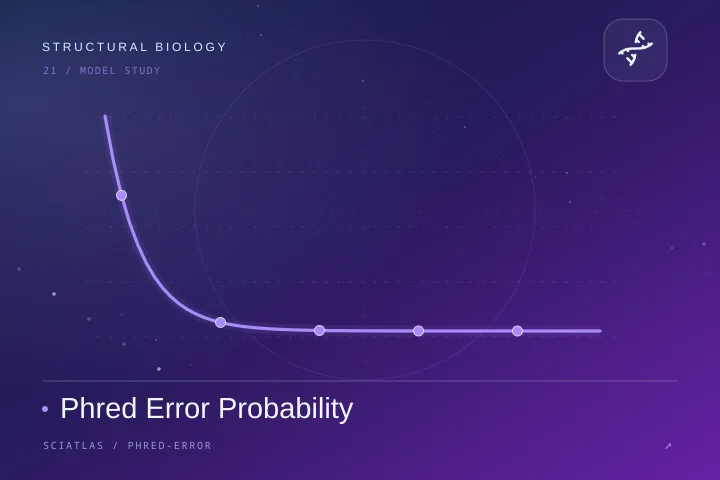
Phred Error Probability
probability interpretation is calibrated according to the sequencing software.
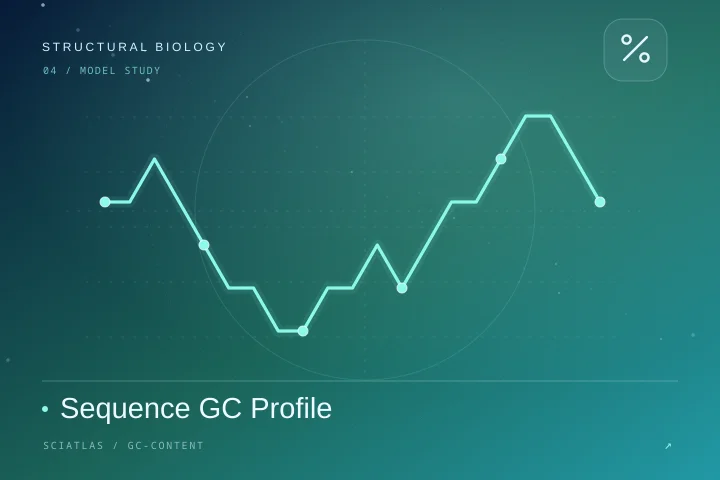
Sequence GC Profile
only accepts A/C/G/T, no ambiguous bases; the sliding window does not loop across the ends.
Pairwise Alignment
Maximum 1000 bp each; only the first best alignment is taken; not a database search.
linked model is used for independent learning and magnitude analysis and does not copy the manufacturer's proprietary software or pass product performance certification.
People and historical contributions behind the science
The following relationships distinguish theoretical and method pioneers and industry leaders; it does not mean that these figures independently invented the product on this page.
made important contributions to protein and nucleic acid sequence analysis and won the Nobel Prize in Chemistry twice.
Claude ShannonClaude Shannonis the founder of information theory and studies the mathematical theory of information measurement, channel capacity and security systems.
Related Elements and Materials Basics
elemental portal is for understanding related materials or molecular basis and does not claim a complete materials list for a specific model.