Nervous system
The brain, spinal cord, and peripheral nerves receive sensation, integrate information, and control movement and automatic functions.
Begin inside the human body, trace our branch through the tree of life, and then place Earth within the Solar System, the Milky Way, and the universe.
Fossils, genetics, archaeology, and comparative anatomy jointly constrain the broad path of human evolution. Several hominin groups coexisted for long periods. Dates are approximate, and new evidence can revise the branches.
The common ancestor of the human and chimpanzee lineages lived earlier; early fossils show that traits for upright walking emerged gradually.
They walked upright while retaining climbing abilities, and several parallel branches developed in Africa.
Stone-tool use became more consistent, while diets and brain size changed. Evolution was never a one-way ladder of progress.
Body proportions became more like ours. Populations spread beyond Africa and persisted in some regions for long periods.
Several Eurasian populations adapted to different environments and exchanged a limited amount of DNA with early Homo sapiens.
Homo sapiens emerged in Africa. Language, symbols, and cumulative culture supported cooperation across larger groups and generations.
The phrase 'humans came from monkeys' is misleading. Humans and living apes share older common ancestors, and every living species has followed its own branch for the same amount of evolutionary time.
The body is organized into cells, tissues, organs, and organ systems. Most systems share the same basic arrangement in everyone. The main typical anatomical differences concern reproductive organs, gamete production, hormone regulation, and secondary sex traits. Human development and sex characteristics vary naturally.
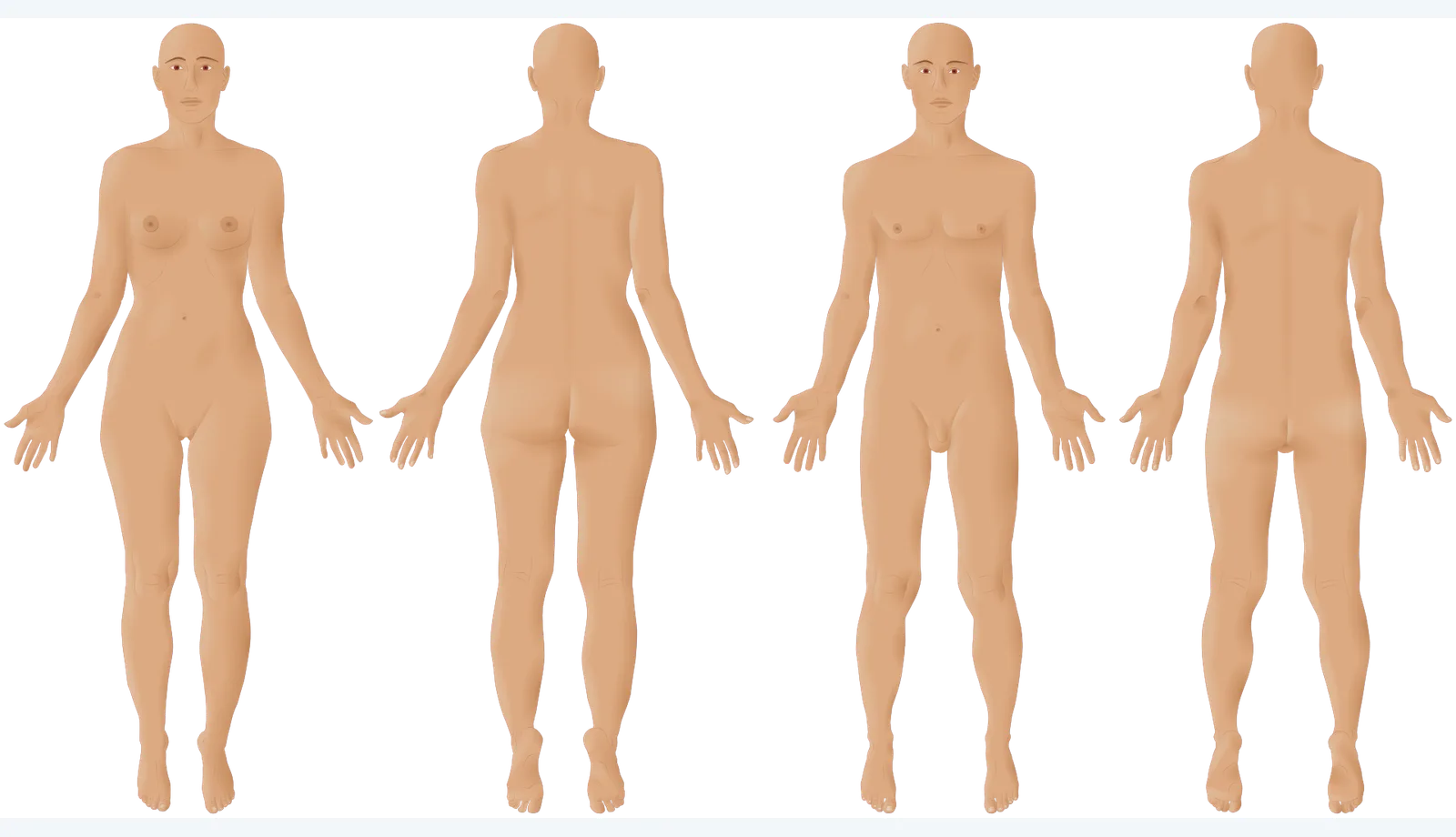
Body systems are not isolated parts. The nervous and endocrine systems send control signals; circulation moves materials; respiration and digestion provide inputs; urinary, immune, and musculoskeletal systems maintain the internal environment and enable action.
The brain, spinal cord, and peripheral nerves receive sensation, integrate information, and control movement and automatic functions.
The hypothalamus, pituitary, thyroid, adrenal glands, and gonads use hormones to coordinate metabolism, growth, and reproduction.
The heart and vessels transport oxygen, nutrients, hormones, heat, and metabolic products while maintaining tissue perfusion.
Airways and alveoli provide ventilation and gas exchange. Neural and blood-chemistry signals jointly regulate breathing.
The mouth, stomach, intestines, liver, gallbladder, and pancreas digest food, absorb nutrients, and process metabolic products.
The kidneys filter blood and regulate water, electrolytes, and acid-base balance. Urine passes through the ureters, bladder, and urethra.
Bone marrow, thymus, lymph nodes, spleen, and immune cells identify threats while limiting excess inflammation and self-attack.
Bones, joints, skeletal muscles, tendons, and ligaments provide support, protection, movement, mineral storage, and heat.
The descriptions below summarize typical adult anatomy. Reproductive and urinary organs are close together but have different functions. Hormone axes change with puberty, menstrual cycles, pregnancy, menopause, illness, and treatment.
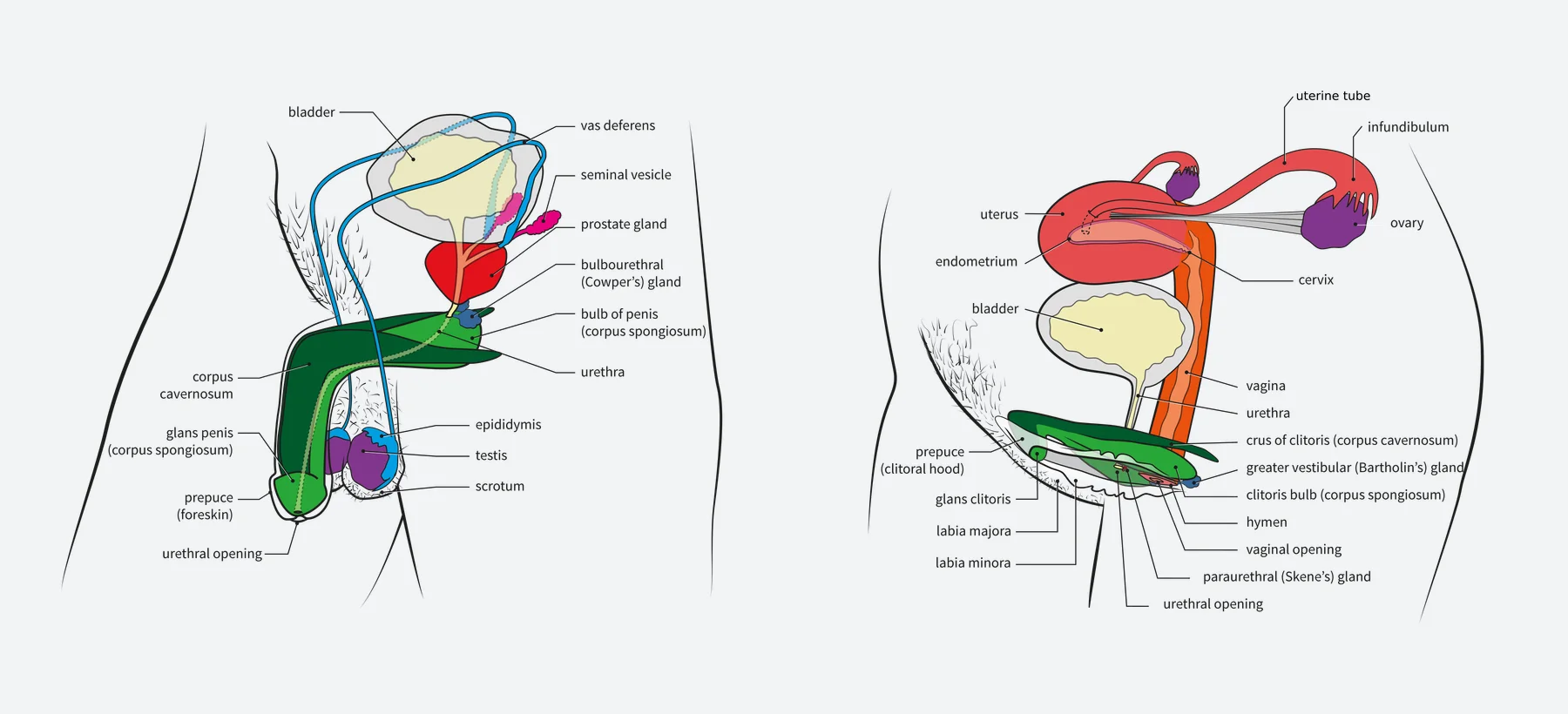
This section provides anatomy and physiology education. It cannot determine sex, diagnose disease, or replace an examination. Persistent pain, unusual bleeding, a lump, urinary difficulty, or reproductive-health concerns require a qualified clinician.
Earth is the only world currently confirmed to support life. The Moon preserves a record of early Solar System impacts and drives tides through gravity. The Earth-Moon system also informs models of planet formation, orbits, and long-term climate.
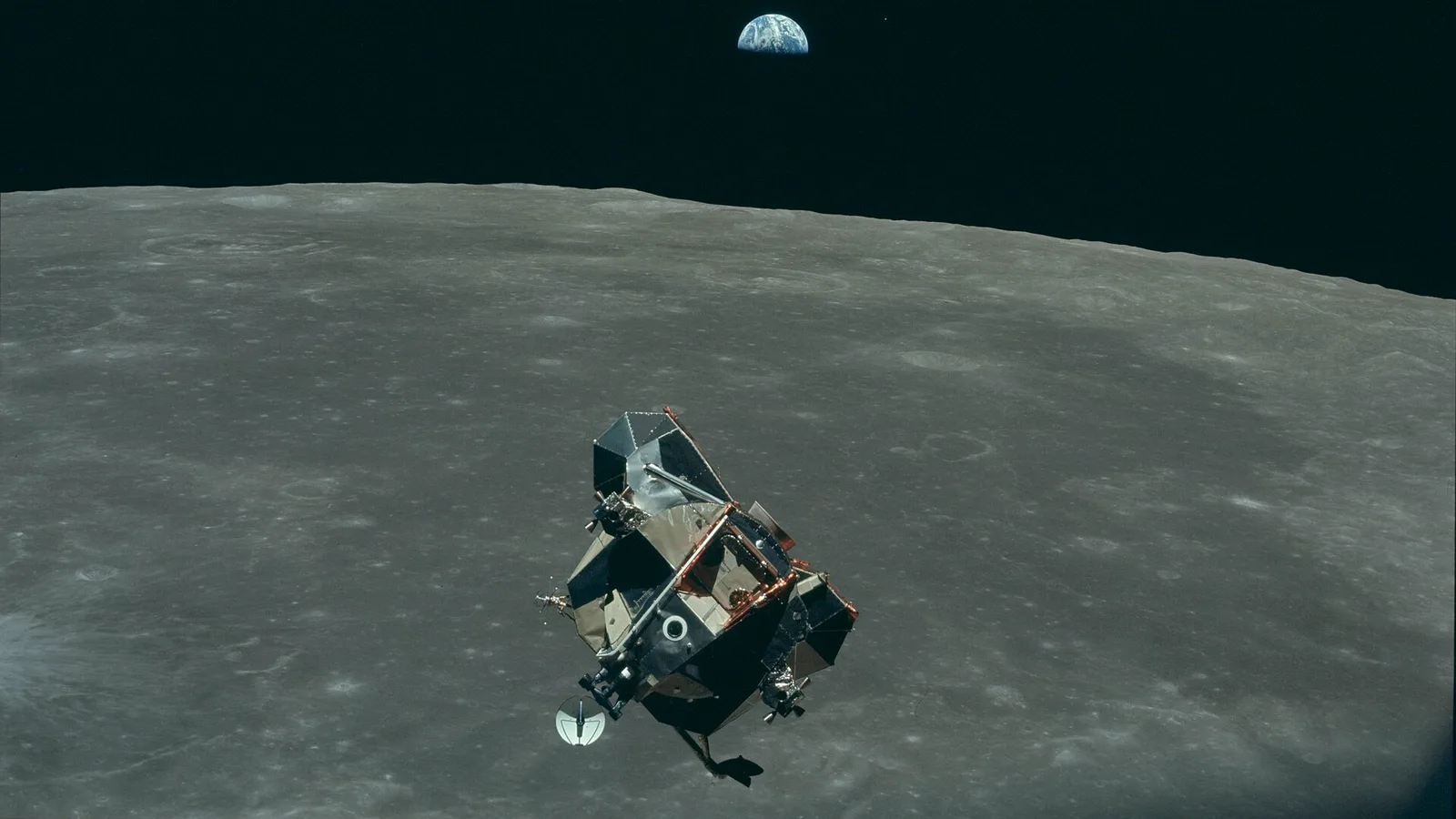
Liquid water, suitable pressure and temperature, atmospheric circulation, a magnetic field, and long-lived geology shape a habitable environment. Life in turn changes the atmosphere, soil, and oceans through photosynthesis, rock formation, and nutrient cycles.
The Moon does not make its own visible light; we see reflected sunlight. Lunar phases result from the changing Sun-Earth-Moon geometry, not Earth's shadow. The Moon enters Earth's shadow only during a lunar eclipse.
Astronomical distances make more sense as orders of magnitude. Light travels about 300,000 km each second in a vacuum, yet sunlight still takes about 8 minutes 20 seconds to reach Earth and roughly 100,000 years to cross the Milky Way.
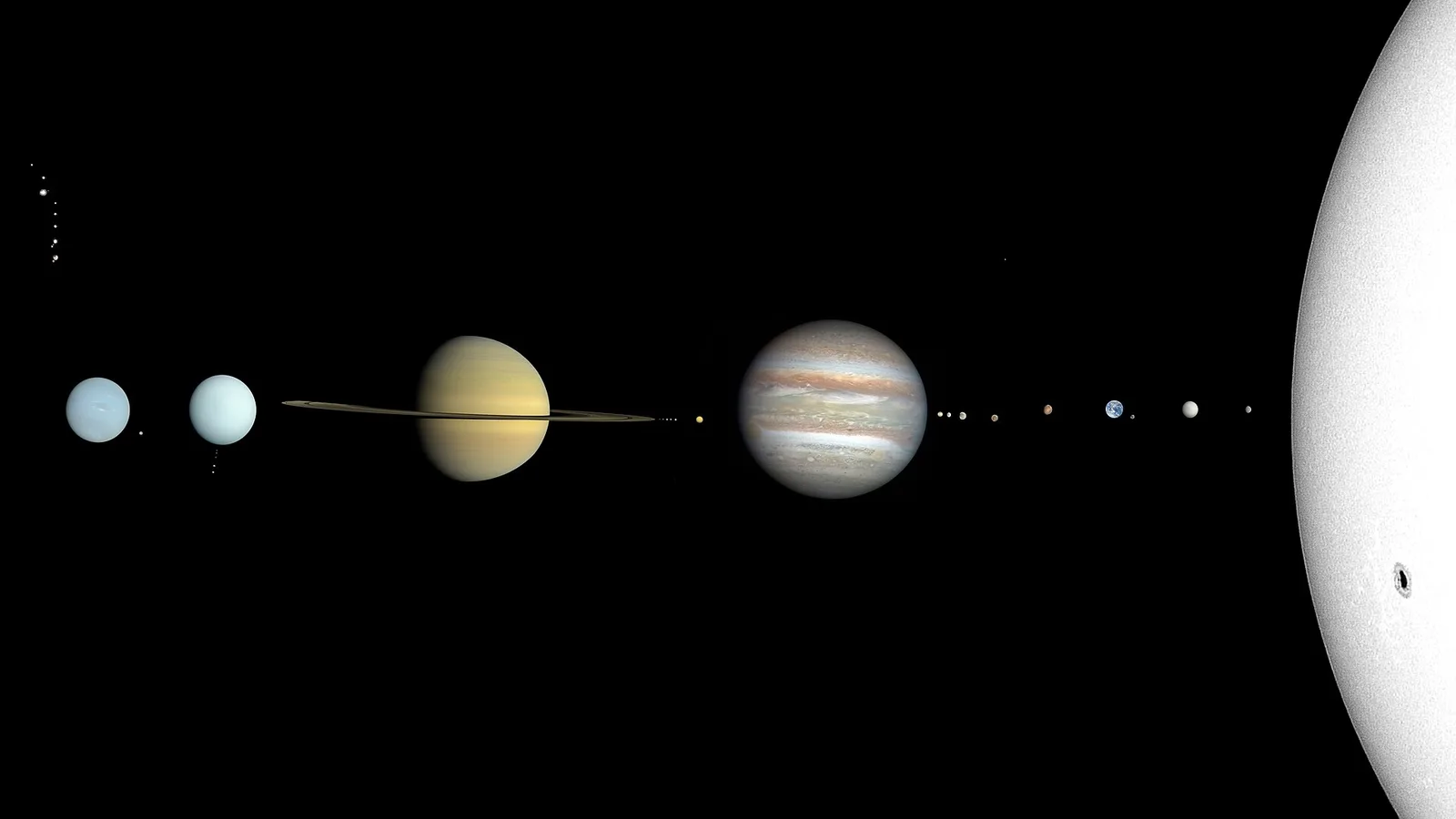
The Sun contains about 99.86% of the Solar System's mass. Its gravity dominates eight planets, dwarf planets, asteroids, comets, and dust. Orbit sizes and body diameters are not shown to a common scale.
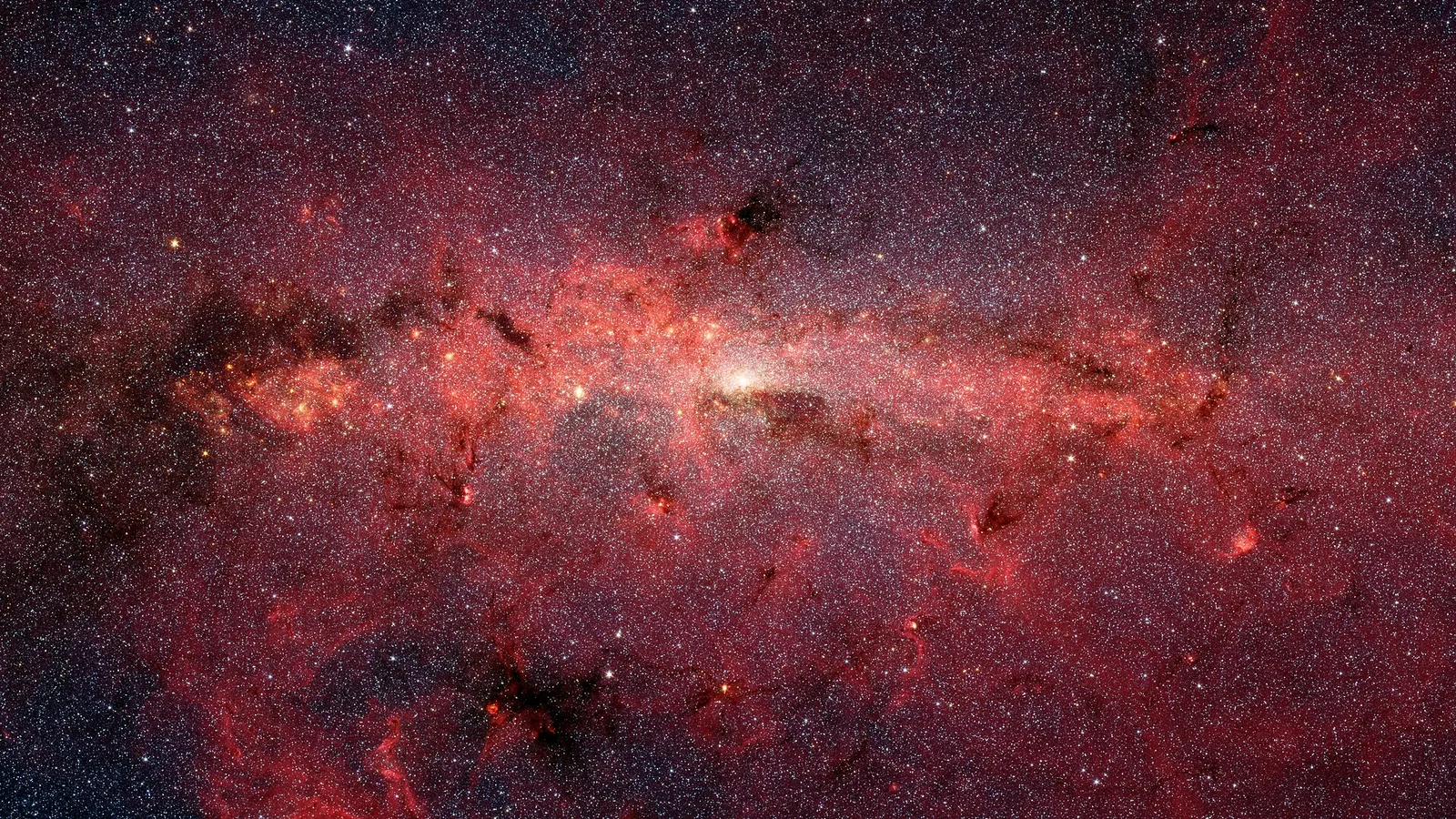
The Milky Way is a barred spiral galaxy roughly 100,000 light-years wide, with hundreds of billions of stars plus gas, dust, and dark matter. The Sun lies near the Orion Arm, about 26,000 light-years from the center.
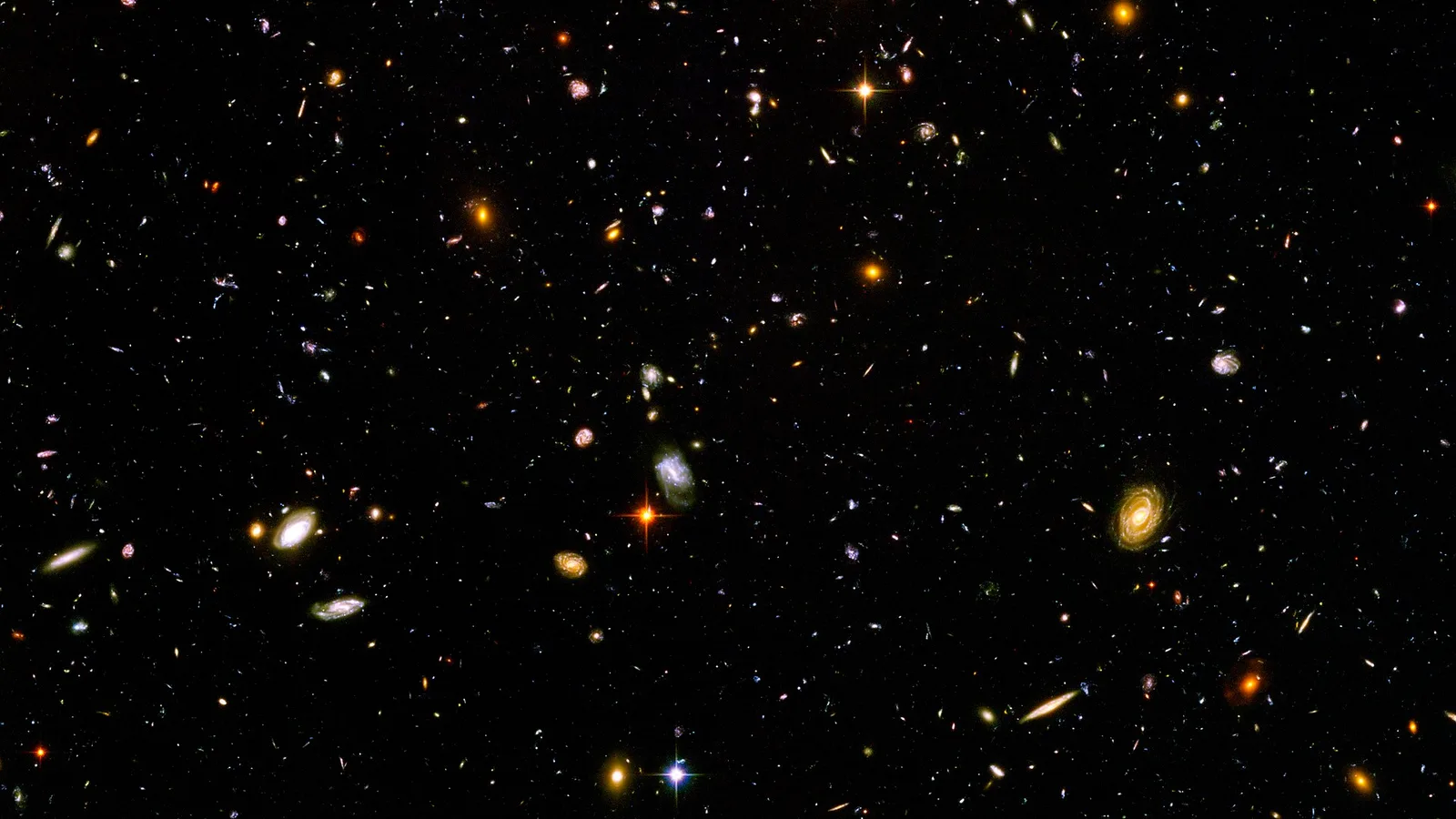
The universe is about 13.8 billion years old. Because space has expanded, the observable universe is now about 93 billion light-years across. 'Observable' describes the region whose signals can reach us, not an edge of the whole universe.
Use calculators and formulas to test questions about daylight, orbital periods, escape speed, and rocket motion, then consult the subject hubs for each model's assumptions.
No. Humans and other living primates share older common ancestors, after which each lineage followed a different evolutionary branch.
No. Everyone shares the same major organ systems. Typical differences are concentrated in reproductive anatomy, gametes, and parts of hormone regulation.
Usually no. Phases depend on how much of the Moon's sunlit half faces us. Earth's shadow crosses the Moon only during a lunar eclipse.
No. The Sun lies near the Orion Arm in the galactic disk, about 26,000 light-years from the center.
Not necessarily. It is only the region whose light or other signals have had time to reach us since the early universe. The whole universe may be much larger.
This page is an introductory synthesis and uses approximate values. Human evolution follows Smithsonian Human Origins; anatomy follows OpenStax, NIH, and MedlinePlus; astronomical values follow NASA. Images use NASA, public-domain, or CC BY-SA material from Wikimedia Commons and are localized as WebP. Content updated: 2026-10-04.
Smithsonian Human Origins · OpenStax Anatomy and Physiology · NIH / MedlinePlus · NASA Solar System Exploration · Wikimedia Commons: 3D human and reproductive anatomy · Wikimedia Commons: Earth, Moon, and Lunar Module · Wikimedia Commons: Solar System, Milky Way, and deep space