Representative seed plants, ferns, mosses, and algae, with attention to photosynthesis, reproduction, and ecological roles.
Open agronomy tools ↗Life Library
From a leaf and an animal to a single cell, use this searchable visual guide to explore the shared structures and diverse branches of life on Earth.
265 life entriesPlants · Animals · Microorganisms39 per pageLocal images · Free access
This growing educational index covers familiar, scientifically useful, and ecologically representative groups. It is not an exhaustive list of all known species. Scientific names and classifications change as phylogenetic evidence develops; verify formal citations with GBIF, Catalogue of Life, or the primary taxonomic literature.
COLLECTION SCOPE
A searchable route into biological classification
Entries are organized through three learning routes: plants, animals, and microorganisms. The microorganism section includes bacteria, archaea, fungi, protists, and viruses. Whether viruses count as life remains debated, so this library identifies them as microbiological subjects.
Vertebrates and major invertebrate groups, with concise notes on body plans, behavior, and habitats.
Open life science tools ↗Bacteria, archaea, fungi, protists, and viruses, with notes on metabolism, hosts, and ecological functions.
Open microbiology tools ↗Search life records
265 records · Page 1 of 7 · 39 per page
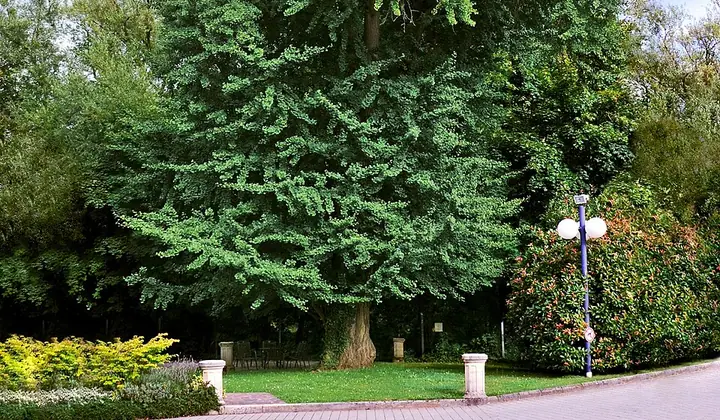
Ginkgo biloba
Ginkgo biloba
Ginkgo biloba, commonly known as ginkgo ( GINK-oh, -goh), also known as the maidenhair tree, and often misspelled "gingko" (see Taxonomy below) is a species of gymnosperm tree native to East Asia. It is the last living species in the order Ginkgoales, which first appeared over 290 million years ago. Fossils similar to the living species, belonging to the genus Ginkgo, extend back to the Middle Jurassic epoch about 170 million years ago.
Image: EecherplazGinkgo06.jpg : Cayambe derivative work: Ginkgotree ( talk ) · License: CC BY-SA 3.0Classification reference: Open classification source · Open image source and license
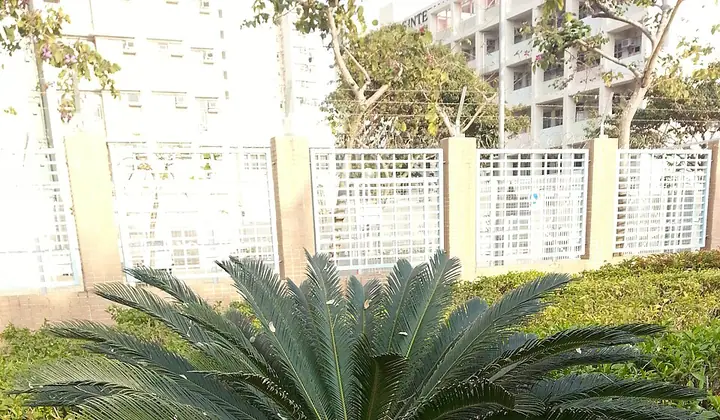
Cycas revoluta
Cycas revoluta
Cycas revoluta (Sotetsu [Japanese ソテツ], sago cycad, sago palm, king sago, Japanese sago palm) is a species of gymnosperm in the family Cycadaceae, native to southern Japan including the Ryukyu Islands. It is one of several species used for the production of sago, as well as an ornamental plant. The sago cycad can be distinguished by a thick coat of fibers on its trunk.
Image: Wikimedia contributors · License: See source pageClassification reference: Open classification source · Open image source and license
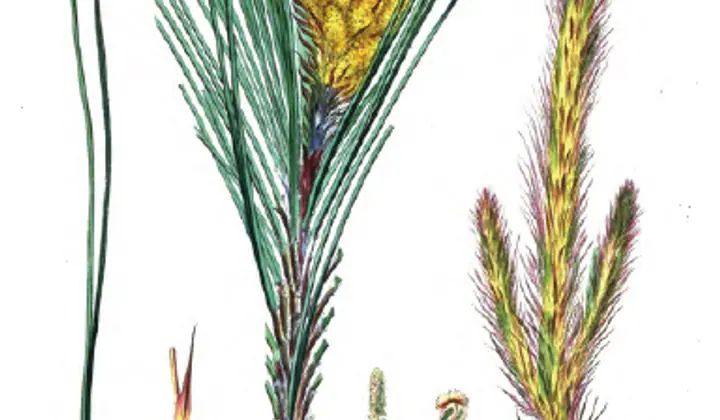
Pinus massoniana
Pinus massoniana
Pinus massoniana is included in the SciAtlas life library as a representative plant. Its accepted name and classification should be checked against current taxonomic sources such as GBIF.
Image: Wikimedia contributors · License: See source pageClassification reference: Open classification source · Open image source and license
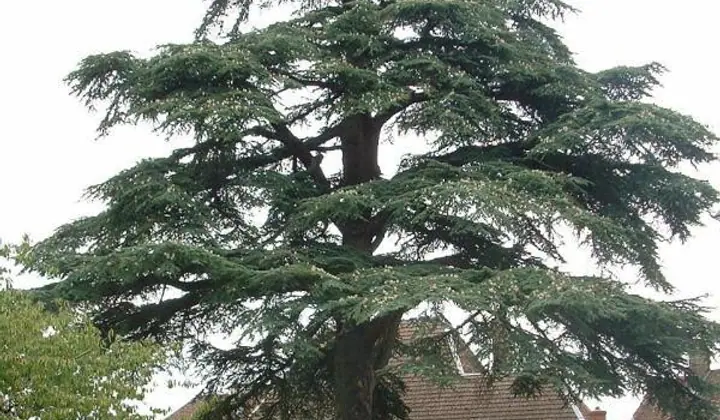
Cedrus deodara
Cedrus deodara
Cedrus deodara, the deodar cedar, Himalayan cedar, or deodar, is a species of cedar, a conifer in the pine family, Pinaceae, native to the Himalayas.
Image: Jeffdelonge · License: CC BY-SA 3.0Classification reference: Open classification source · Open image source and license

Picea asperata
Picea asperata
Picea asperata (dragon spruce; Chinese: 雲杉) is a species of spruce in the family Pinaceae. It is native to western China, from eastern Qinghai, southern Gansu and southwestern Shaanxi south to western Sichuan.
Image: matsuyuki on Flickr · License: CC BY-SA 2.0Classification reference: Open classification source · Open image source and license
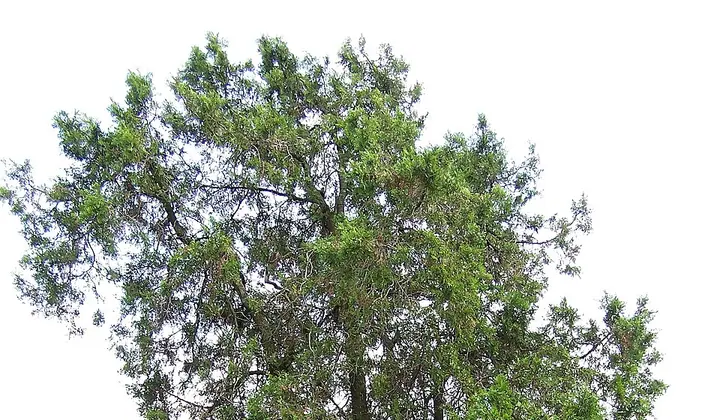
Platycladus
Platycladus orientalis
Platycladus orientalis is included in the SciAtlas life library as a representative plant. Its accepted name and classification should be checked against current taxonomic sources such as GBIF.
Image: Wikimedia contributors · License: See source pageClassification reference: Open classification source · Open image source and license
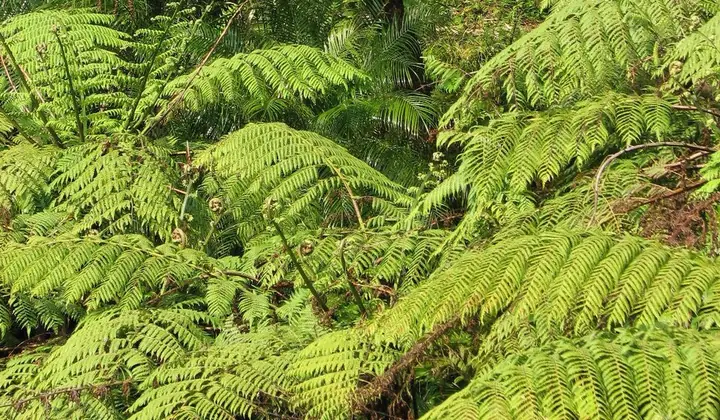
Alsophila spinulosa
Alsophila spinulosa
Alsophila spinulosa, also known as the flying spider-monkey tree fern, is a species of tree fern in the family Cyatheaceae.
Image: Wikimedia contributors · License: See source pageClassification reference: Open classification source · Open image source and license

Metasequoia glyptostroboides
Metasequoia glyptostroboides
Metasequoia glyptostroboides, the dawn redwood, is a fast-growing, endangered deciduous conifer. It is the sole living species of the genus Metasequoia, one of three genera in the subfamily Sequoioideae of the family Cupressaceae. It now survives in the wild only in wet lower slopes and montane river and stream valleys in the border region of Hubei and Hunan provinces and Chongqing municipality in south-central China, notably in Lichuan county in Hubei.
Image: Wikimedia contributors · License: See source pageClassification reference: Open classification source · Open image source and license
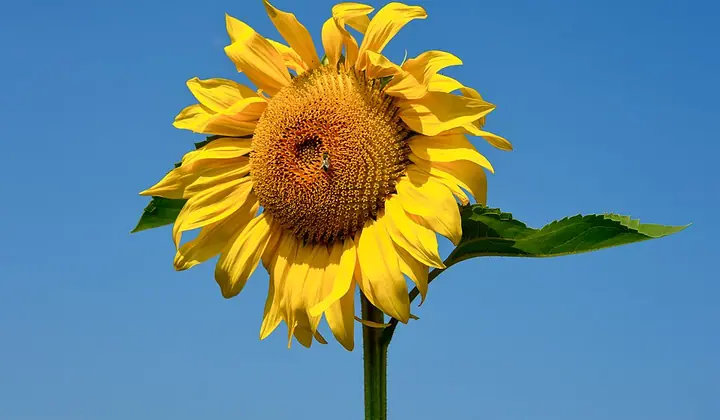
Common sunflower
Helianthus annuus
Helianthus annuus is included in the SciAtlas life library as a representative plant. Its accepted name and classification should be checked against current taxonomic sources such as GBIF.
Image: Wikimedia contributors · License: See source pageClassification reference: Open classification source · Open image source and license
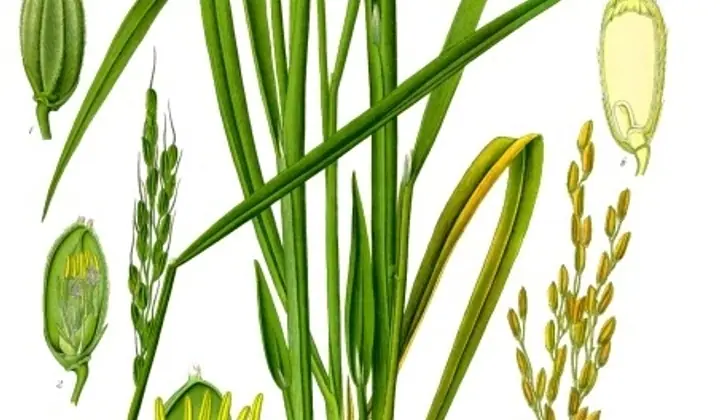
Oryza sativa
Oryza sativa
Oryza sativa, having the common name Asian cultivated rice, is the much more common of the two rice species cultivated as a cereal, the other species being O. glaberrima, African rice. It was first domesticated in the Yangtze River basin in China 13,500 to 8,200 years ago. Oryza sativa belongs to the genus Oryza and the BOP clade in the grass family Poaceae.
Image: Wikimedia contributors · License: See source pageClassification reference: Open classification source · Open image source and license
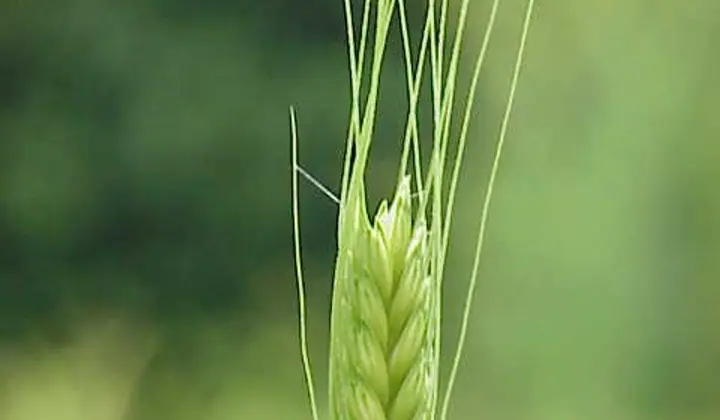
Common wheat
Triticum aestivum
Triticum aestivum is included in the SciAtlas life library as a representative plant. Its accepted name and classification should be checked against current taxonomic sources such as GBIF.
Image: Wikimedia contributors · License: See source pageClassification reference: Open classification source · Open image source and license
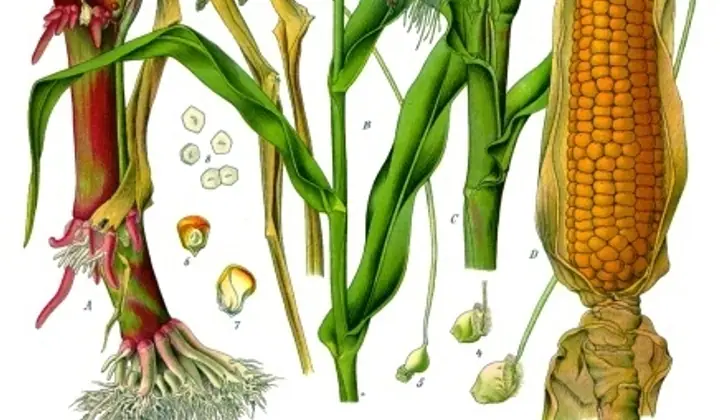
Maize
Zea mays
Zea mays is included in the SciAtlas life library as a representative plant. Its accepted name and classification should be checked against current taxonomic sources such as GBIF.
Image: Wikimedia contributors · License: See source pageClassification reference: Open classification source · Open image source and license
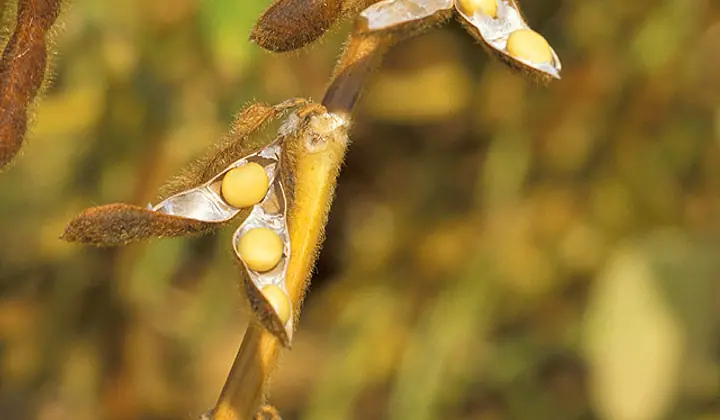
Soybean
Glycine max
Glycine max is included in the SciAtlas life library as a representative plant. Its accepted name and classification should be checked against current taxonomic sources such as GBIF.
Image: Wikimedia contributors · License: Public domainClassification reference: Open classification source · Open image source and license
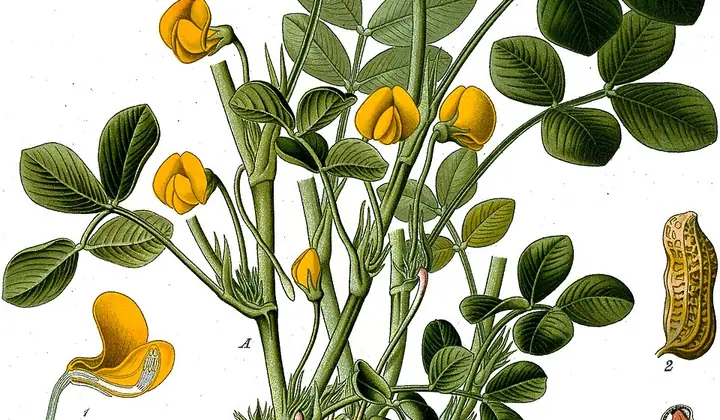
Peanut
Arachis hypogaea
Arachis hypogaea is included in the SciAtlas life library as a representative plant. Its accepted name and classification should be checked against current taxonomic sources such as GBIF.
Image: Wikimedia contributors · License: See source pageClassification reference: Open classification source · Open image source and license
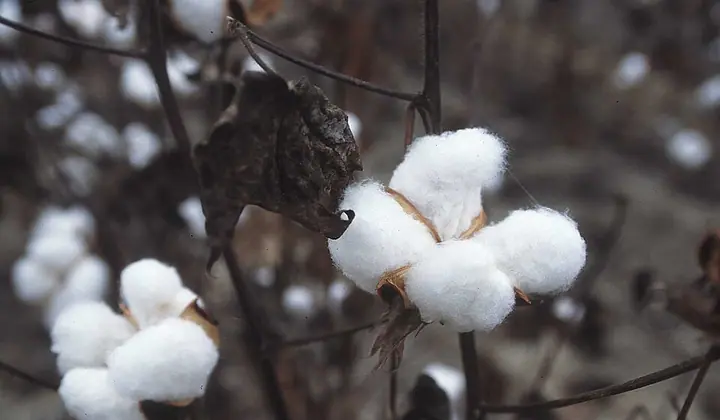
Gossypium hirsutum
Gossypium hirsutum
Gossypium hirsutum, also known as upland cotton or Mexican cotton, is the most widely planted species of cotton in the world. Globally, about 90% of all cotton production is of cultivars derived from this species. In the United States, the world's largest exporter of cotton, it constitutes approximately 95% of all cotton production.
Image: Wikimedia contributors · License: Public domainClassification reference: Open classification source · Open image source and license
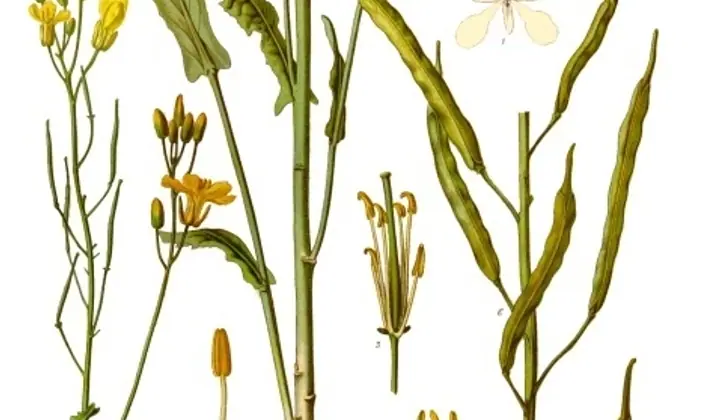
Rapeseed
Brassica napus
Brassica napus is included in the SciAtlas life library as a representative plant. Its accepted name and classification should be checked against current taxonomic sources such as GBIF.
Image: Wikimedia contributors · License: See source pageClassification reference: Open classification source · Open image source and license
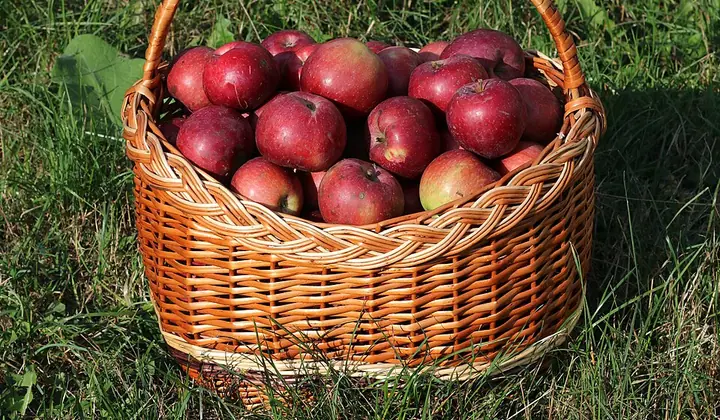
Apple
Malus domestica
Malus domestica is included in the SciAtlas life library as a representative plant. Its accepted name and classification should be checked against current taxonomic sources such as GBIF.
Image: Wikimedia contributors · License: See source pageClassification reference: Open classification source · Open image source and license
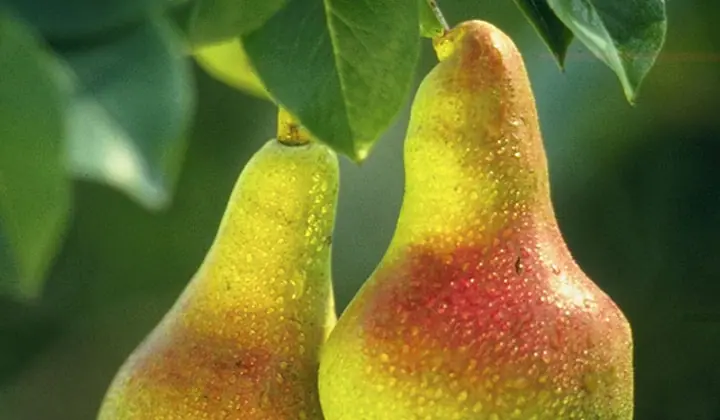
Pyrus pyrifolia
Pyrus pyrifolia
Pyrus pyrifolia is included in the SciAtlas life library as a representative plant. Its accepted name and classification should be checked against current taxonomic sources such as GBIF.
Image: Keith Weller · License: Public domainClassification reference: Open classification source · Open image source and license
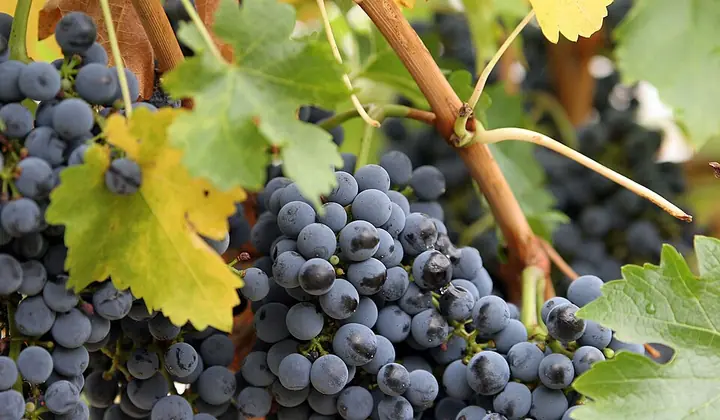
Vitis vinifera
Vitis vinifera
Vitis vinifera is included in the SciAtlas life library as a representative plant. Its accepted name and classification should be checked against current taxonomic sources such as GBIF.
Image: Wikimedia contributors · License: See source pageClassification reference: Open classification source · Open image source and license
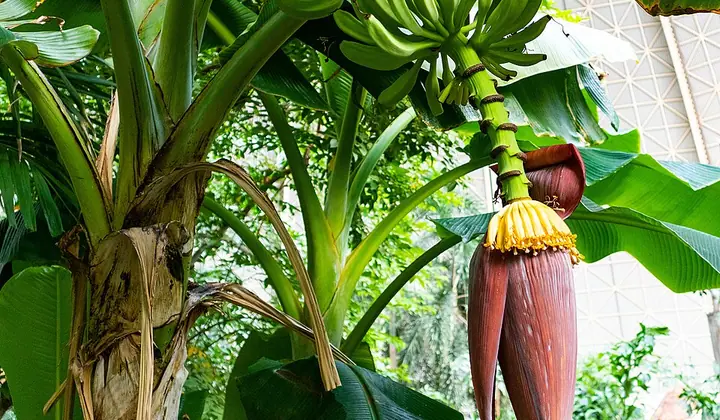
Musa acuminata
Musa acuminata
Musa acuminata is a species of banana native to Southern Asia, its range comprising the Indian subcontinent and Southeast Asia. Many of the modern edible dessert bananas are derived from this species, although some are hybrids with Musa balbisiana. First cultivated by humans around 8000 BCE, it is one of the early examples of domesticated plants.
Image: Wikimedia contributors · License: See source pageClassification reference: Open classification source · Open image source and license
Olea europaea
Olea europaea
Olea europaea is the tree species that includes the cultivated olive, and five other subspecies. Some of the subspecies are polyploid.
Image: Wikimedia contributors · License: See source pageClassification reference: Open classification source · Open image source and license
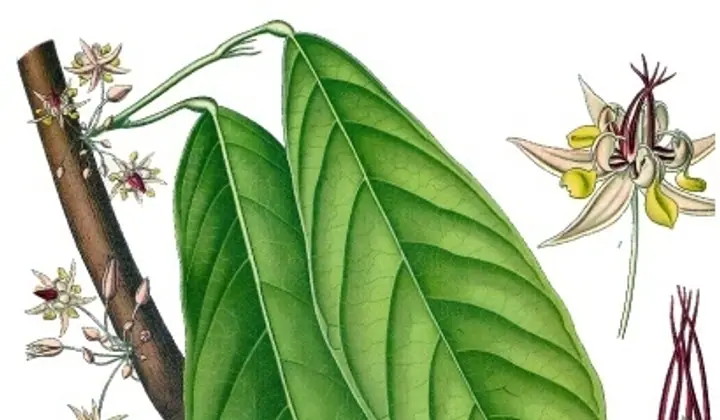
Theobroma cacao
Theobroma cacao
Theobroma cacao is included in the SciAtlas life library as a representative plant. Its accepted name and classification should be checked against current taxonomic sources such as GBIF.
Image: Wikimedia contributors · License: See source pageClassification reference: Open classification source · Open image source and license

Coffea arabica
Coffea arabica
Coffea arabica (), also known as the Arabica coffee, is a species of flowering plant in the coffee and madder family Rubiaceae. It is believed to be the first species of coffee to have been cultivated and is the dominant cultivar, representing about 60% of global production. Coffee produced from the less acidic, more bitter, and more highly caffeinated robusta bean (C. canephora) makes up most of the remaining coffee production.
Image: Wikimedia contributors · License: See source pageClassification reference: Open classification source · Open image source and license
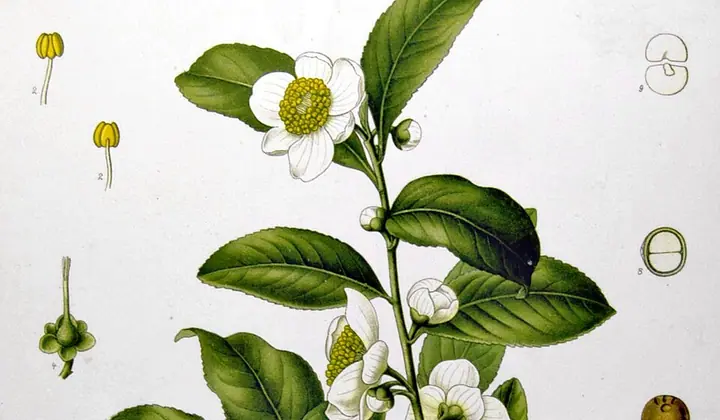
Camellia sinensis
Camellia sinensis
Camellia sinensis, commonly known as tea plant, tea shrub, and tea tree, is a species of evergreen shrub in the flowering plant family Theaceae. Originally native to the highlands of the Hengduan–Purvanchal region between southwestern China, northern Myanmar and northeastern India, the leaves, buds and stems of C. sinensis are harvested by humans to produce tea, leading to its artificial introduction and cultivation as valuable cash crops in many other part
Image: Wikimedia contributors · License: See source pageClassification reference: Open classification source · Open image source and license
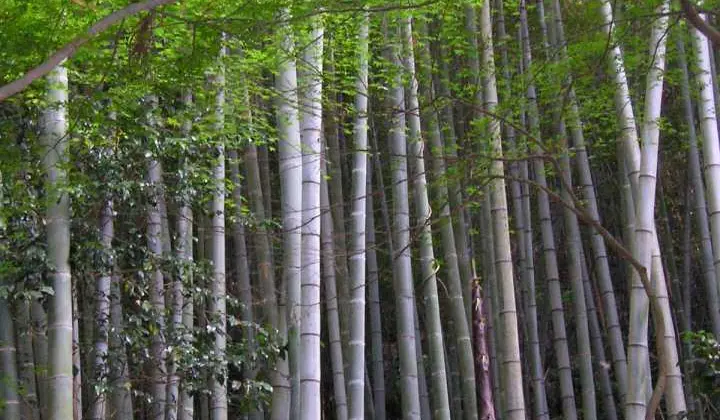
Phyllostachys edulis
Phyllostachys edulis
Phyllostachys edulis, the mōsō bamboo, or tortoise-shell bamboo, or mao zhu (Chinese: 毛竹; pinyin: máozhú), (Japanese: モウソウチク), (Chinese: 孟宗竹) is a temperate species of giant timber bamboo native to China and Taiwan and naturalised elsewhere, including Japan where it is widely distributed from south of Hokkaido to Kagoshima. The edulis part of the Latin name refers to its edible shoots. This bamboo can reach heights of up to 28 m (92 ft).
Image: Wikimedia contributors · License: See source pageClassification reference: Open classification source · Open image source and license
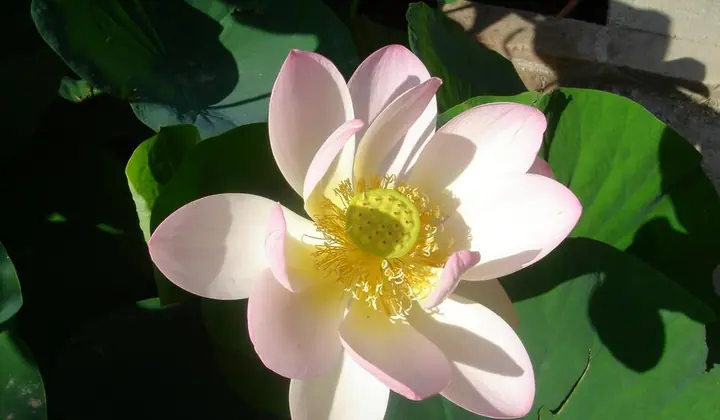
Nelumbo nucifera
Nelumbo nucifera
Nelumbo nucifera, also known as Padma (Sanskrit: पद्म, romanized: Padma, lit. 'Lotus') or Kamala (Sanskrit: कमल, lit. 'Lotus'), sacred lotus, pink lotus, Indian lotus, or simply lotus, is one of two extant species of aquatic plant in the family Nelumbonaceae. It is sometimes colloquially called water lily, though this more often refers to members of the family Nymphaeaceae.
Image: Wikimedia contributors · License: See source pageClassification reference: Open classification source · Open image source and license
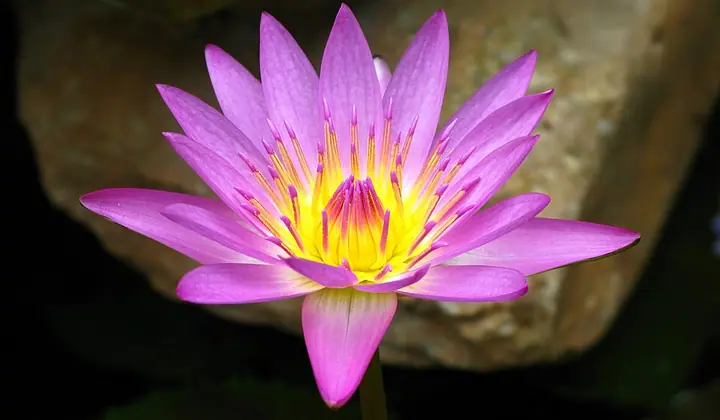
Nymphaea alba
Nymphaea alba
Nymphaea alba – commonly called the white water lily, European white water lily, or white nenuphar ( NEN-yuu-far) – is an aquatic flowering plant in the family Nymphaeaceae. It is native to North Africa, temperate Asia, Europe, and tropical Asia (Jammu and Kashmir). Since Nymphaea alba is an aquatic plant, its specialized trichomes are hydropotes, formed at an abaxial surface of the young leaf and packed tightly in the rosette at the rhizome's flattened apex.
Image: Wikimedia contributors · License: See source pageClassification reference: Open classification source · Open image source and license
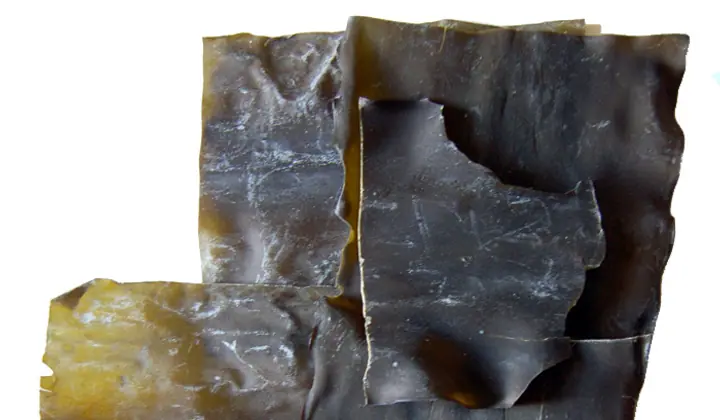
Saccharina japonica
Saccharina japonica
Saccharina japonica is included in the SciAtlas life library as a representative plant. Its accepted name and classification should be checked against current taxonomic sources such as GBIF.
Image: Alice Wiegand, ( Lyzzy ) · License: CC BY-SA 3.0Classification reference: Open classification source · Open image source and license
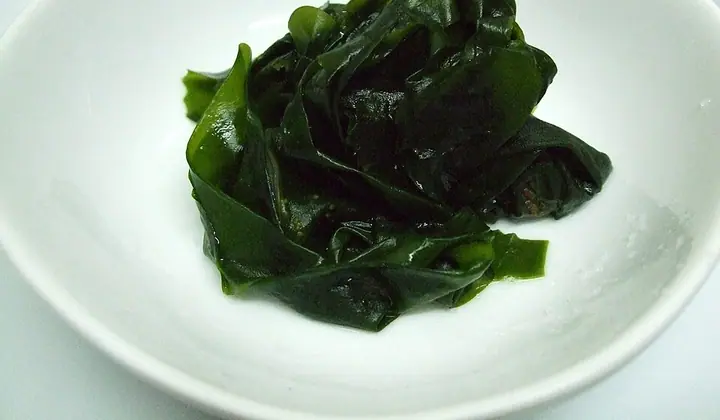
Wakame
Undaria pinnatifida
Undaria pinnatifida is included in the SciAtlas life library as a representative plant. Its accepted name and classification should be checked against current taxonomic sources such as GBIF.
Image: Wikimedia contributors · License: See source pageClassification reference: Open classification source · Open image source and license
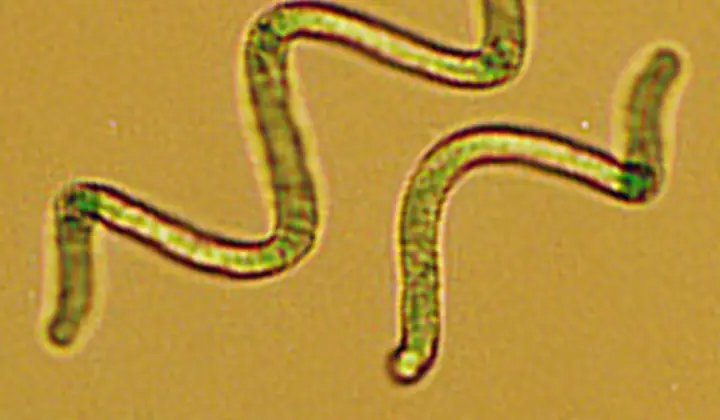
Limnospira platensis
Arthrospira platensis
Arthrospira platensis is included in the SciAtlas life library as a representative plant. Its accepted name and classification should be checked against current taxonomic sources such as GBIF.
Image: Joan Simon, cropped by Perdita (English Wikipedia User) · License: CC BY-SA 3.0Classification reference: Open classification source · Open image source and license
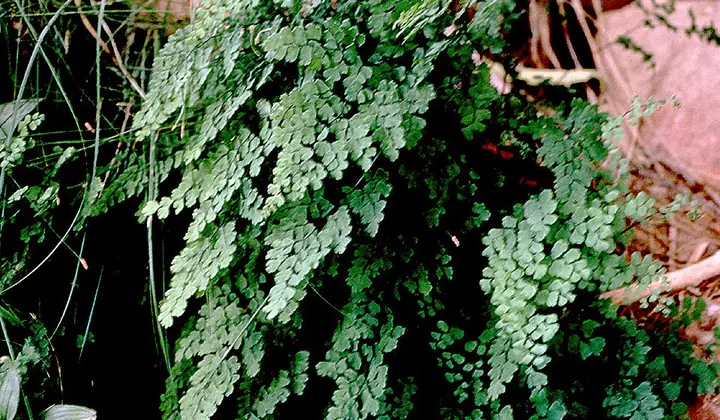
Adiantum capillus-veneris
Adiantum capillus-veneris
Adiantum capillus-veneris, the maidenhair fern, southern maidenhair fern, black maidenhair fern and venus hair fern, is a species of ferns in the genus Adiantum and the family Pteridaceae with a subcosmopolitan worldwide distribution. It is cultivated as a popular garden fern and houseplant.
Image: Wikimedia contributors · License: See source pageClassification reference: Open classification source · Open image source and license
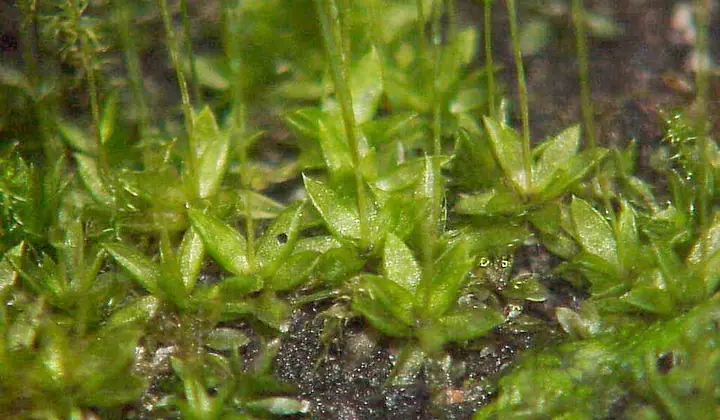
Funaria hygrometrica
Funaria hygrometrica
Funaria hygrometrica, the bonfire moss or common cord-moss, is a type of water moss which grows on shady, moist soil. It can also be found on moist walls and the crevices of rocks and places where recent fires have taken place. It has been reported to grow in Niagara Cave, an artificially illuminated cave devoid of natural light.
Image: Wikimedia contributors · License: See source pageClassification reference: Open classification source · Open image source and license
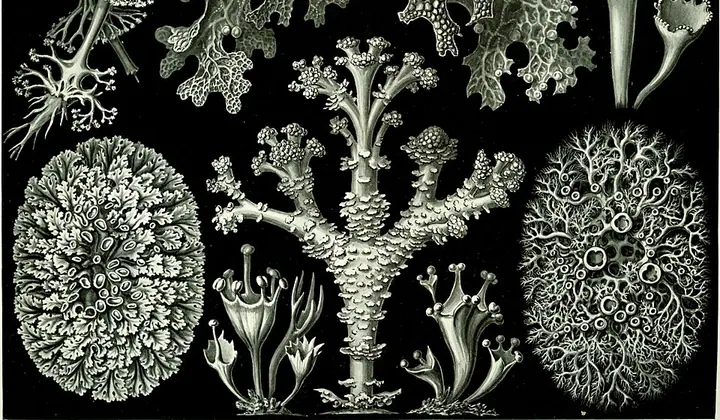
Lichen
Lichenized fungi
Lichenized fungi is included in the SciAtlas life library as a representative plant. Its accepted name and classification should be checked against current taxonomic sources such as GBIF.
Image: Wikimedia contributors · License: See source pageClassification reference: Open classification source · Open image source and license
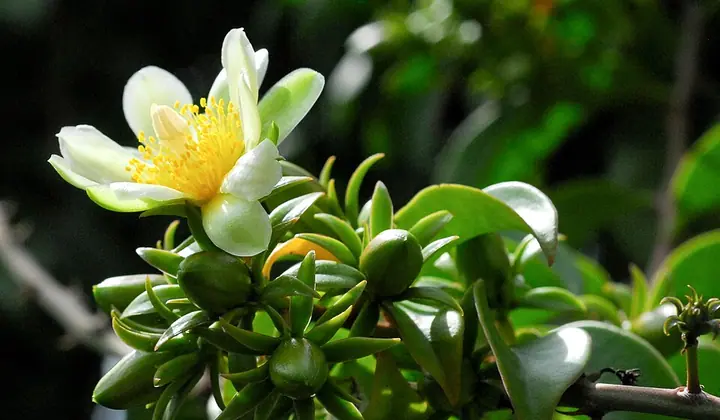
Opuntia ficus-indica
Opuntia ficus-indica
Opuntia ficus-indica, the Indian fig opuntia, fig opuntia, or prickly pear, is a species of cactus that has long been a domesticated crop plant grown in agricultural economies throughout arid and semiarid parts of the world. O. ficus-indica is the most widespread and most commercially important cactus. It is grown primarily as a fruit crop, and also for the vegetable nopales and other uses.
Image: Wikimedia contributors · License: See source pageClassification reference: Open classification source · Open image source and license
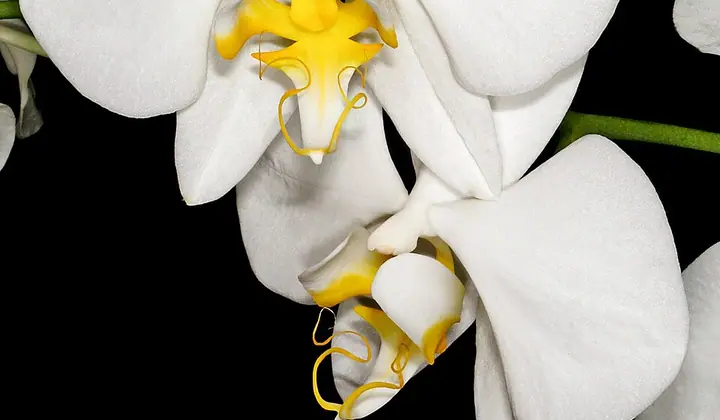
Phalaenopsis amabilis
Phalaenopsis amabilis
Phalaenopsis amabilis, commonly known as moon orchid, moth orchid, or mariposa orchid, is a species of flowering plant in the orchid family Orchidaceae. It is widely cultivated as a decorative houseplant. It is an epiphytic or lithophytic herb with long, thick roots, between two and eight thick, fleshy leaves with their bases hiding the stem and nearly flat, white, long-lasting flowers on a branching flowering stem with up to ten flowers on each branch.
Image: Wikimedia contributors · License: See source pageClassification reference: Open classification source · Open image source and license
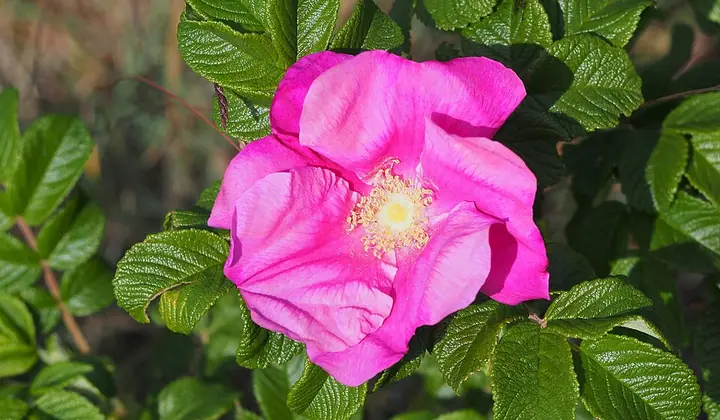
Rosa rugosa
Rosa rugosa
Rosa rugosa is included in the SciAtlas life library as a representative plant. Its accepted name and classification should be checked against current taxonomic sources such as GBIF.
Image: Wikimedia contributors · License: See source pageClassification reference: Open classification source · Open image source and license
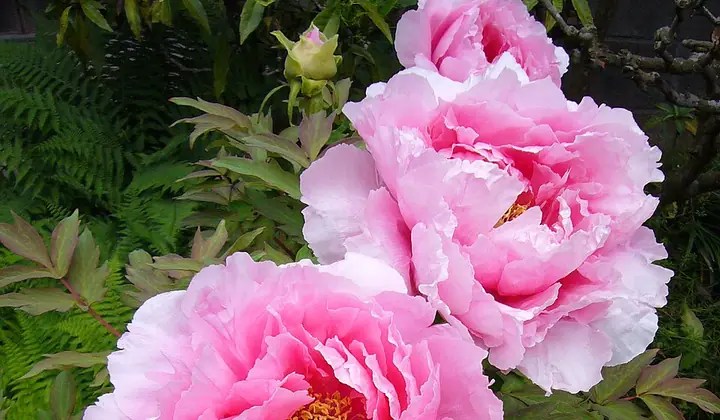
Paeonia × suffruticosa
Paeonia suffruticosa
Paeonia suffruticosa is included in the SciAtlas life library as a representative plant. Its accepted name and classification should be checked against current taxonomic sources such as GBIF.
Image: Wikimedia contributors · License: See source pageClassification reference: Open classification source · Open image source and license
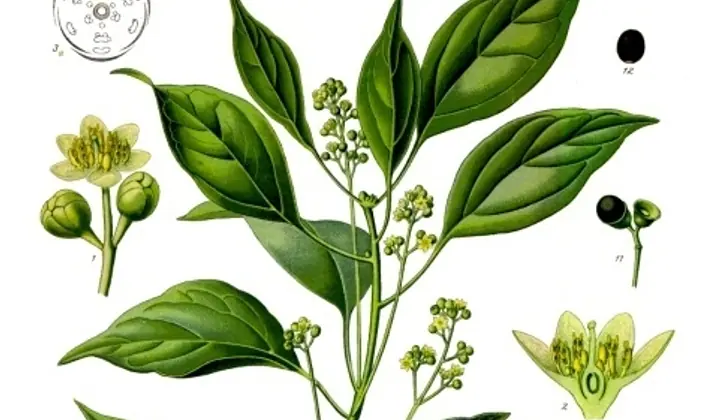
Camphora officinarum
Cinnamomum camphora
Cinnamomum camphora is included in the SciAtlas life library as a representative plant. Its accepted name and classification should be checked against current taxonomic sources such as GBIF.
Image: Wikimedia contributors · License: See source pageClassification reference: Open classification source · Open image source and license
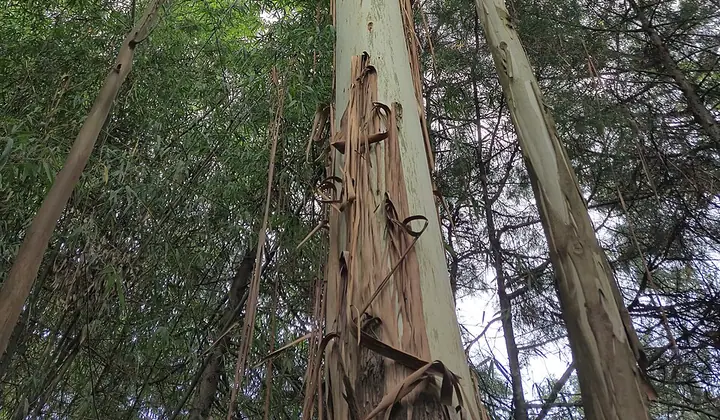
Eucalyptus globulus
Eucalyptus globulus
Eucalyptus globulus, commonly known as southern blue gum, is a species of flowering plant in the family Myrtaceae. It is a tall, evergreen tree endemic to southeastern Australia. This Eucalyptus species has mostly smooth bark, juvenile leaves that are whitish and waxy on the lower surface, glossy green, lance-shaped adult leaves, glaucous, ribbed flower buds arranged singly or in groups of three or seven in leaf axils, white flowers and woody fruit.
Image: Wikimedia contributors · License: See source pageClassification reference: Open classification source · Open image source and license
HOW TO READ
How to use names, classifications, and images
Common and scientific names
Common names support everyday search; Latin scientific names support identification across languages. A species can have several common names, and its scientific name can change after taxonomic revision.
Representative records and the long-term goal
More than a million species have been described. This page presents all 265 records currently reviewed and adds reliable batches over time without calling a limited sample a complete species inventory.
Images and licenses
The page loads only image files stored on this site. Species photographs include source, creator, and license when available; other records use local SciAtlas category illustrations.
Limits of use
These summaries support general education. They do not replace species identification, clinical diagnosis, biosafety assessment, quarantine decisions, or ecological field reports.
FAQ
Common questions about the Life Library
Does the Life Library contain every known species?
No. Global species catalogues are vast and continuously revised. This library currently contains 265 representative records and states its scope and update date clearly.
Why are viruses listed with microorganisms?
Viruses do not metabolize independently, and their status as life depends on the definition used. Virology is closely connected to microbiology, cell biology, and infectious-disease research, so viruses are included as a distinct subject group.
How can I confirm the latest accepted scientific name?
Use the scientific name here as a starting point, then verify the accepted name, synonyms, authorship, and update date in GBIF, Catalogue of Life, NCBI Taxonomy, or a specialist database.
Can I publish the images directly?
Check the creator, source, and license shown for each image. SciAtlas illustrations are intended for learning; third-party images must be attributed and used under their stated licenses.
Continue exploring life
Connect species names with calculators, subject hubs, and scientific definitions to investigate growth, metabolism, ecology, and evolution.
Life science tools ↗Microbiology tools ↗Agronomy tools ↗Life science glossary ↗Microbiology glossary ↗Explore humans, Earth, and the universe ↗
Sources and update policy
Classification references include GBIF, Catalogue of Life, NCBI Taxonomy, and Encyclopedia of Life. SciAtlas editors prepared the concise summaries. Content updated: 2026-10-04.
GBIF · Catalogue of Life · NCBI Taxonomy · Encyclopedia of Life