ABB IRB 6700 industrial robot
heavy-duty six-axis industrial robot series, used in handling, welding and manufacturing automation.
What science makes it possible The
Link geometry, joint drive and rigid body dynamics determine the reachable space and load; repeated positioning and trajectory smoothing also depend on the control system, structural flexibility and calibration.
Understanding the product requires putting a single formula back into the system: input measurements, materials and boundary conditions are calculated by the model and then compared with actual data. Approximations at different scales cannot be unconditionally spliced, and relevant tools will indicate applicable conditions respectively.
Commercial applications and engineering boundaries
production line planning needs to consider tool weight, inertia, cycle time and collision space. The planar link teaching tool does not represent complete six-axis robot offline programming.
is an independent technical interpretation based on the manufacturer's public information and does not represent the manufacturer's adoption, endorsement or sponsorship of SciAtlas. The illustrations are original illustrations of the principles of this site, not photos of the actual products. Product specifications, certifications and availability are subject to the manufacturer's current information; the relevant tools only demonstrate public simplified models.
Manufacturer’s products and official information ↗Use online tools to understand related issues
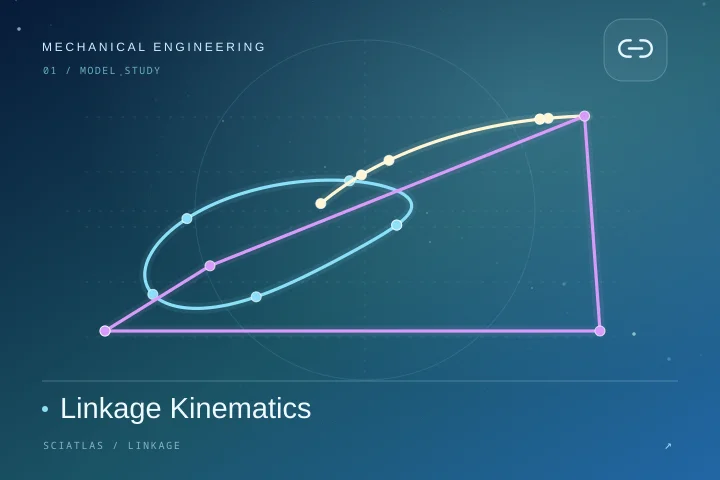
Linkage Kinematics
ideal rigid plane hinge; the six-rod mode is a fixed-fulcrum two-link branch chain driven by four-rod coupling points. Non-dynamic/collision solver.
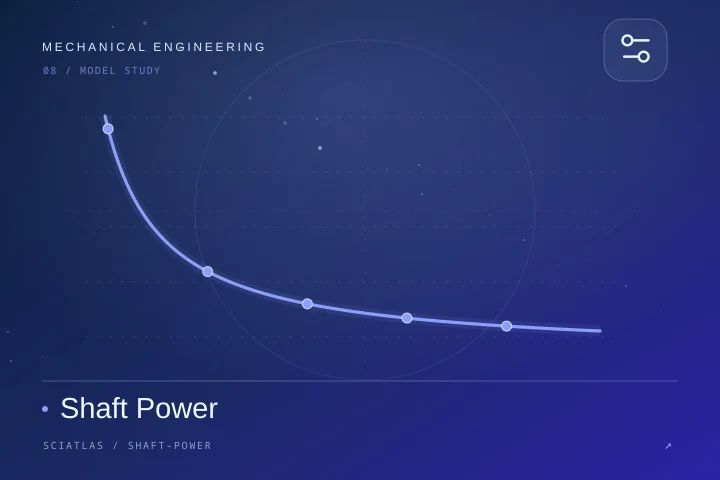
Shaft Power
Steady state rotation, no energy storage transient.
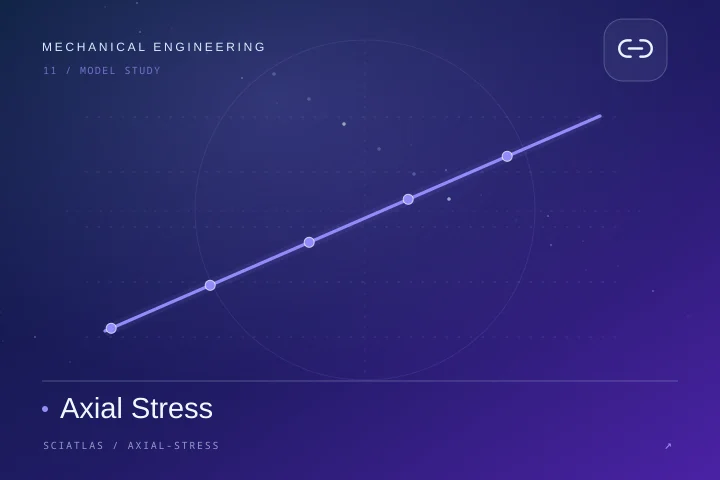
Axial Stress
Uniform axial load, neglecting stress concentration.

Singular Value Spectrum
Up to 400 elements, values close to zero are not automatically treated as exact zero.
linked model is used for independent learning and magnitude analysis and does not copy the manufacturer's proprietary software or pass product performance certification.
People and historical contributions behind the science
The following relationships distinguish theoretical and method pioneers and industry leaders; it does not mean that these figures independently invented the product on this page.
made extensive contributions to mechanics, differential equations and number theory, and Euler buckling and rigid body dynamics are still used in engineering teaching.
Rudolf KalmanRudolf Kalmandevelops Kalman filtering and modern control theory to provide basic methods for navigation, state estimation and process control.
Related Elements and Materials Basics
elemental portal is for understanding related materials or molecular basis and does not claim a complete materials list for a specific model.