IBM Quantum System Two
modular quantum computing system architecture connecting quantum processors, cryogenics and classical control infrastructure.
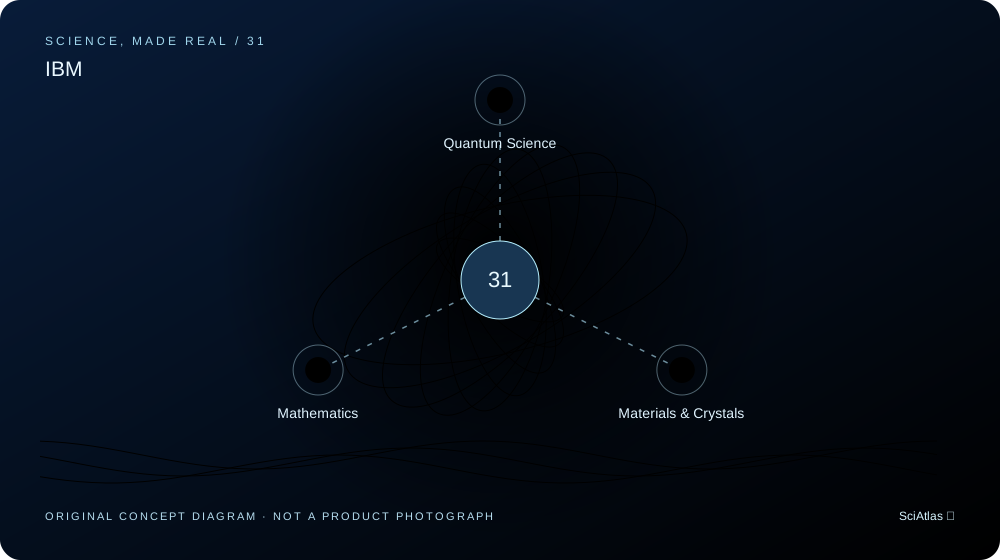
What science makes it possible The
superconducting qubit is affected by coherence time, readout error and crosstalk; the algorithm circuit must adapt to the hardware topology and cooperate with classical calculations.
Understanding the product requires putting a single formula back into the system: input measurements, materials and boundary conditions are calculated by the model and then compared with actual data. Approximations at different scales cannot be unconditionally spliced, and relevant tools will indicate applicable conditions respectively.
Commercial applications and engineering boundaries
research and industry teams explore quantum algorithms through cloud and collaborative platforms; scale or number of gates does not directly equate to general commercial advantage.
is an independent technical interpretation based on the manufacturer's public information and does not represent the manufacturer's adoption, endorsement or sponsorship of SciAtlas. The illustrations are original illustrations of the principles of this site, not photos of the actual products. Product specifications, certifications and availability are subject to the manufacturer's current information; the relevant tools only demonstrate public simplified models.
Manufacturer’s products and official information ↗Use online tools to understand related issues
Quantum Circuit
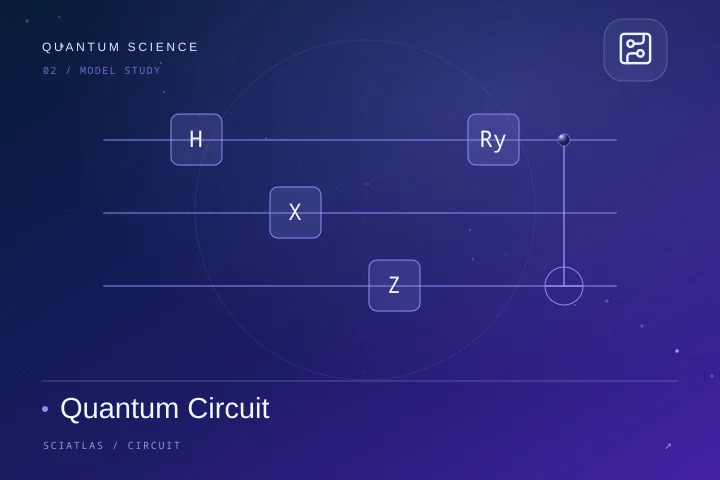
1–8 bit status vector; H/X/Y/Z/S/T, RX/RY/RZ, CX; q0 is the least significant bit. OpenQASM 2.0 exports are supported for the subset listed.
Qubit T1 Relaxation
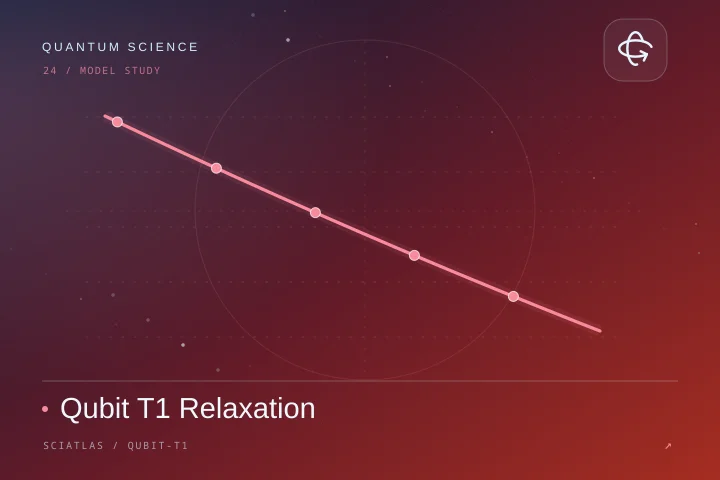
Zero-temperature Markov amplitude decay, no thermal excitation.
Qubit T2 Coherence
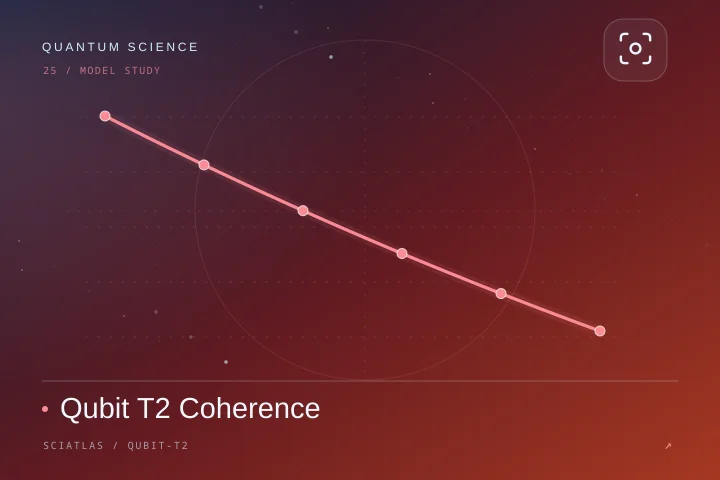
exponential coherence envelope; consistency with specified T1 is not independently guaranteed.
Qubit Fidelity
Pure state fidelity adopts the square convention F=|⟨ψ|φ |².
linked model is used for independent learning and magnitude analysis and does not copy the manufacturer's proprietary software or pass product performance certification.
People and historical contributions behind the science
The following relationships distinguish theoretical and method pioneers and industry leaders; it does not mean that these figures independently invented the product on this page.
is a quantum electrodynamics researcher who proposed the important idea of using quantum systems to simulate physical processes. The
Peter ShorPeter Shorproposed quantum factoring algorithm and important quantum error correction work, connecting quantum computing and cryptography.
Related Elements and Materials Basics
elemental portal is for understanding related materials or molecular basis and does not claim a complete materials list for a specific model.