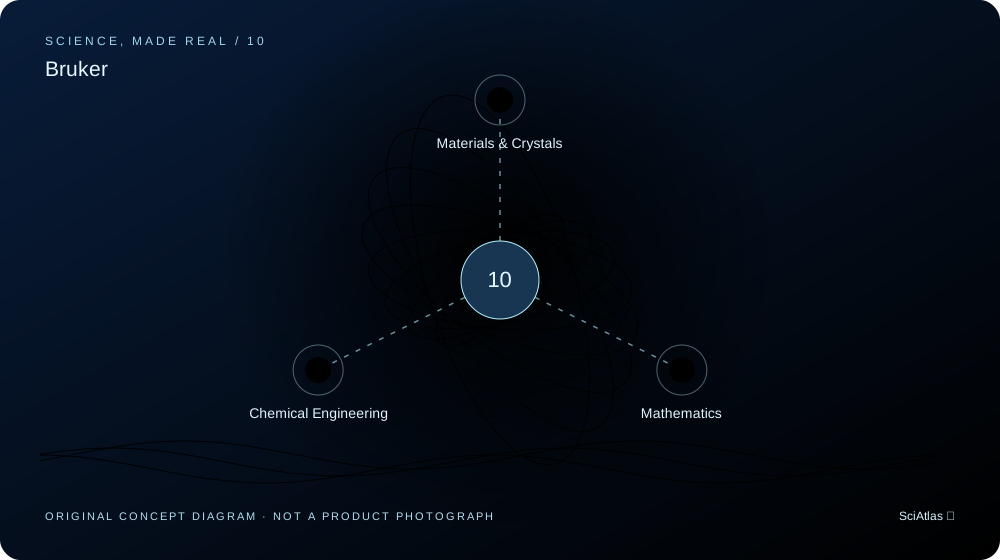
Bruker D8 ADVANCE X-ray diffractometer Interdisciplinary principle illustration of
Laboratory X-ray diffraction platform used for material phase identification and crystal structure analysis. The
What science makes it possible The
Bragg condition connects the diffraction angle and interplanar spacing; the peak width is also affected by the grain size, microstrain and instrument broadening, and quantitative explanation requires calibration and appropriate models.
Understanding the product requires putting a single formula back into the system: input measurements, materials and boundary conditions are calculated by the model and then compared with actual data. Approximations at different scales cannot be unconditionally spliced, and relevant tools will indicate applicable conditions respectively.
Commercial applications and engineering boundaries
R&D laboratories use diffraction analysis to compare ceramic, alloy or battery material phases and cross-validate it with microstructural and chemical analysis.
is an independent technical interpretation based on the manufacturer's public information and does not represent the manufacturer's adoption, endorsement or sponsorship of SciAtlas. The illustrations are original illustrations of the principles of this site, not photos of the actual products. Product specifications, certifications and availability are subject to the manufacturer's current information; the relevant tools only demonstrate public simplified models.
Manufacturer’s products and official information ↗Use online tools to understand related issues
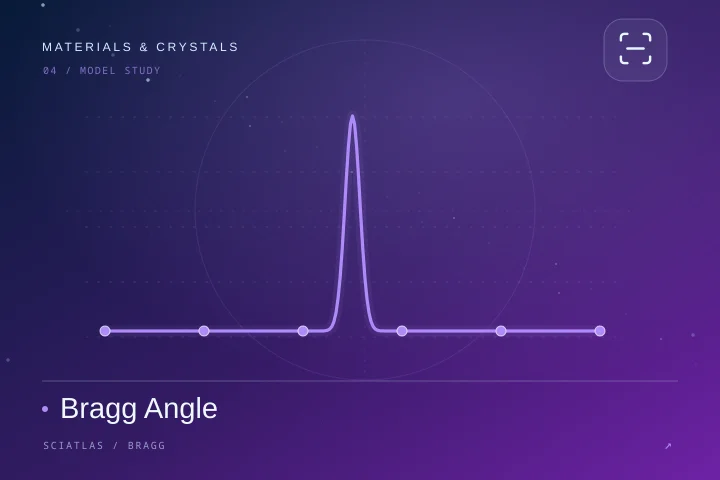
Bragg Angle
Single crystal plane, elastic coherence diffraction; the peak shape shown is for labeling only.
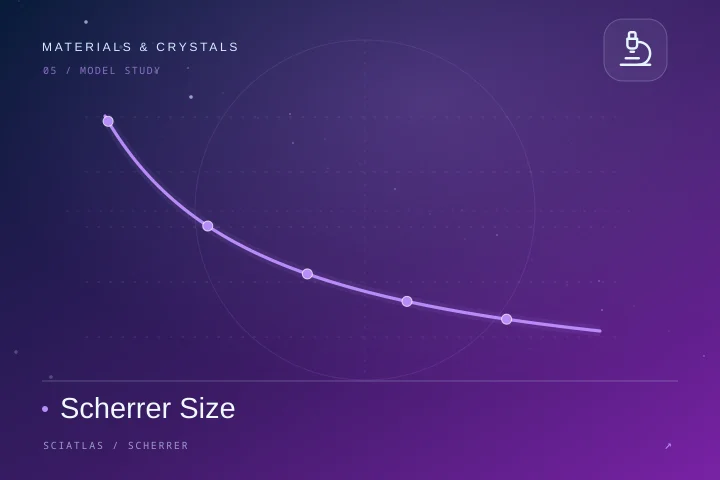
Scherrer Size
dimensional broadening dominates, Gaussian instrument broadening squared error correction; microstrain needs to be considered separately.
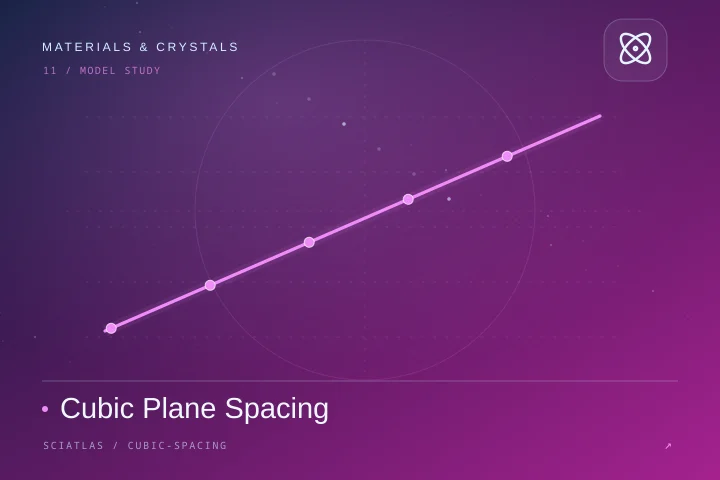
Cubic Plane Spacing
is for cubic unit cells only, the Miller exponent is an integer and cannot be all zeros.
Lattice Microstrain
One-dimensional average strain, excluding instrument peak position error.
linked model is used for independent learning and magnitude analysis and does not copy the manufacturer's proprietary software or pass product performance certification.
People and historical contributions behind the science
The following relationships distinguish theoretical and method pioneers and industry leaders; it does not mean that these figures independently invented the product on this page.
Related Elements and Materials Basics
elemental portal is for understanding related materials or molecular basis and does not claim a complete materials list for a specific model.